May is when flower shops suddenly feel brighter and more alive. One of the stars of the season is the peony. Here in my area, they start appearing in shops from late April, and every year that first sighting makes me smile — there they are again.
Peonies are at their best from May through June. Unlike roses, which you can find year-round, peonies are only available for a short window of about a month and a half — which is exactly why I can never resist picking some up when I spot them.
Watching a small, round bud slowly unfurl into something several times its original size is one of my quiet pleasures of the season.
Flower Meanings & Birth Flower
The peony’s flower meanings include “bashfulness,” “romance,” and “good fortune.” With layer upon layer of petals, yet somehow always elegant and understated — the meanings feel just right for this flower. In Western traditions, the peony is the birth flower for the month of May.
Peonies have a habit of closing at sunset and reopening each morning, which adds to their gentle, modest character. In English, there’s even an expression — “blush like a peony” — used to describe someone turning red with embarrassment. It’s a flower associated with shyness across many cultures.
The name “peony” traces back to Greek mythology. Paeon, a student of the god of medicine, used a mysterious plant root to ease the pain of a goddess in labor. Zeus rewarded him with fame — but his jealous teacher had him killed. Taking pity, a goddess persuaded Zeus to transform Paeon into the plant itself, which has carried healing properties and the name “Paeon” (later peony) ever since.
And then there’s the way a peony drops its petals — quite unlike any other flower. Rather than falling one by one, the whole bloom lets go all at once in a sudden cascade. The first time I saw it happen, it genuinely surprised me! For a flower so soft and bashful in its meanings, there’s something wonderfully dramatic about the way it makes its exit.
A Closer Look at the Peony
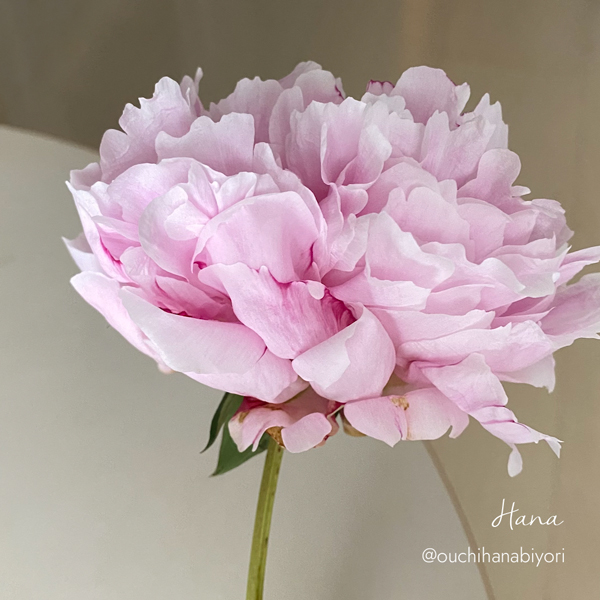
The peony’s full, lush blooms are hard to look away from — but if you want to recreate one in clay, the details really matter.
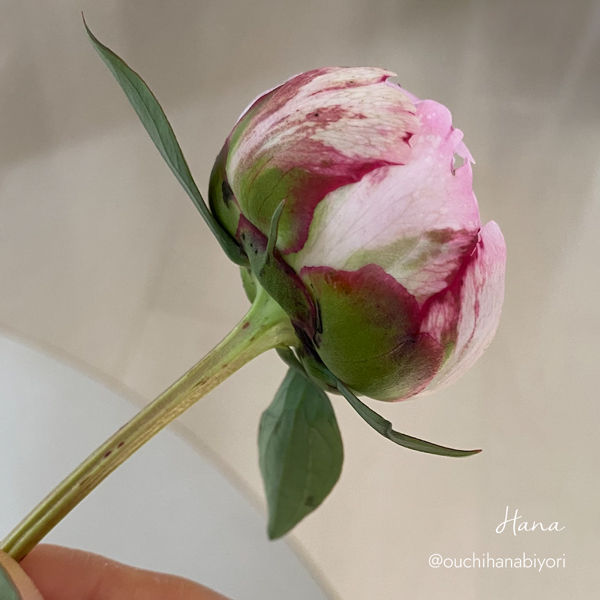
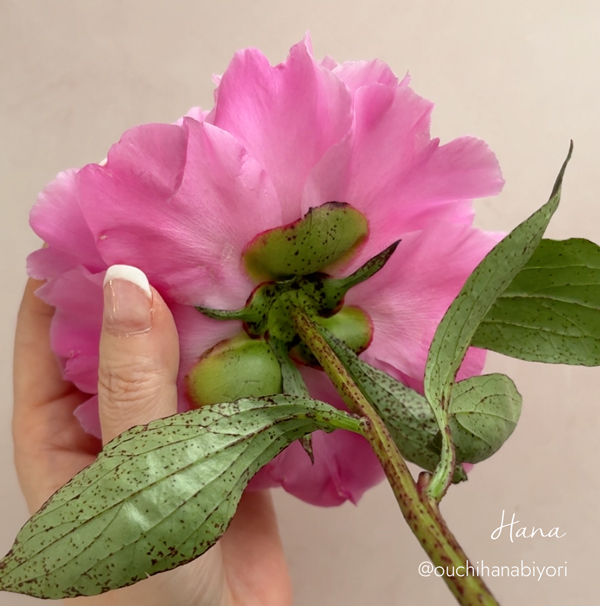
Here’s what the calyx looks like from behind. Once the flower opens fully, the petals tend to cover it completely — so it’s worth taking a closer look while you still can!
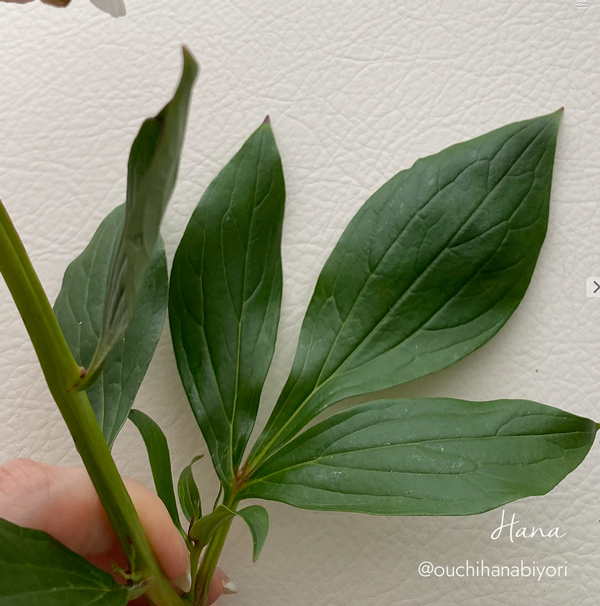
And the leaves — I love how beautifully balanced they are.
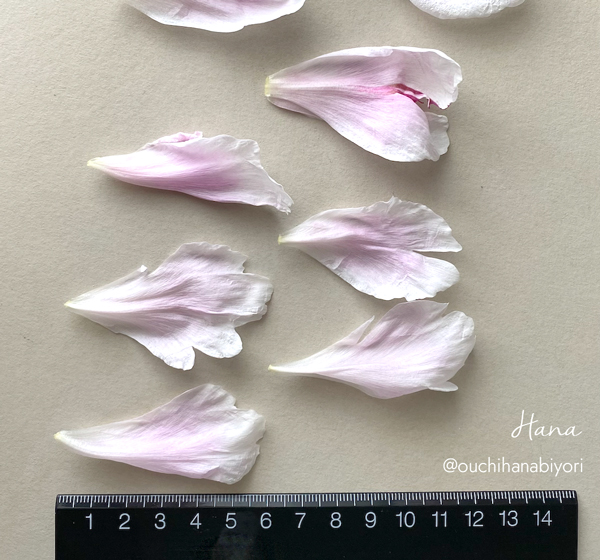
The petals range from large and sweeping on the outside to small and delicate toward the center — each layer a little different in shape and size. That complexity is exactly what makes the peony such a rewarding flower to recreate in clay. I always end up losing track of time trying to get it just right. If there’s one flower that sparks creative energy more than any other, the peony might be it.
My Clay Peony
I’ve made peonies in clay too — you can watch the process in the videos below.
For a more detailed walkthrough, here’s a longer tutorial ↓ It’s a little older, but the core techniques are essentially the same.
Peony Clay Cutters & Veining Tools
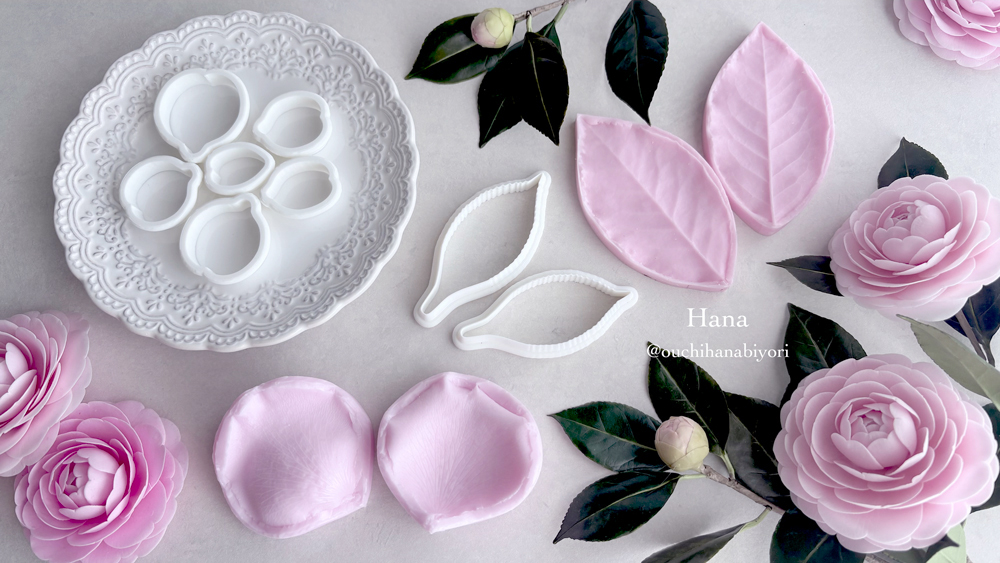
I also have peony clay cutters and veining tools available in my shop. Shaping each petal by hand takes real patience — but with a cutter, you get clean, consistent results in an instant. Give them a try ↓